When most people look at an antique, they see age.
Collectors see history.
But seasoned dealers know there is something even more fascinating hiding in plain sight — the wear patterns that act like fingerprints, telling the object’s life story without a single word.
Every Mark is a Memory
A polished patch on the arm of a chair might reveal where generations rested their hands while telling stories by the fire.
A faint groove on a silver spoon’s handle could be the result of decades of stirring tea in the same family kitchen.
These aren’t flaws — they’re narrative clues.
This month, we explore the insights of “wear”.
The Science of Patina
Patina is not just a “nice old look.” It’s chemistry and time conspiring to create a surface that can’t be faked without skill.
Bronze statues develop Verdigris from exposure to moisture and air; oak darkens as tannins react to light.
Understanding these processes lets you date a piece more accurately — and spot reproductions that try to mimic the real thing.
Wear as a Map of Use
Furniture: Uneven fading on a table’s surface can indicate where a cloth has laid for decades, protecting one section from sunlight.
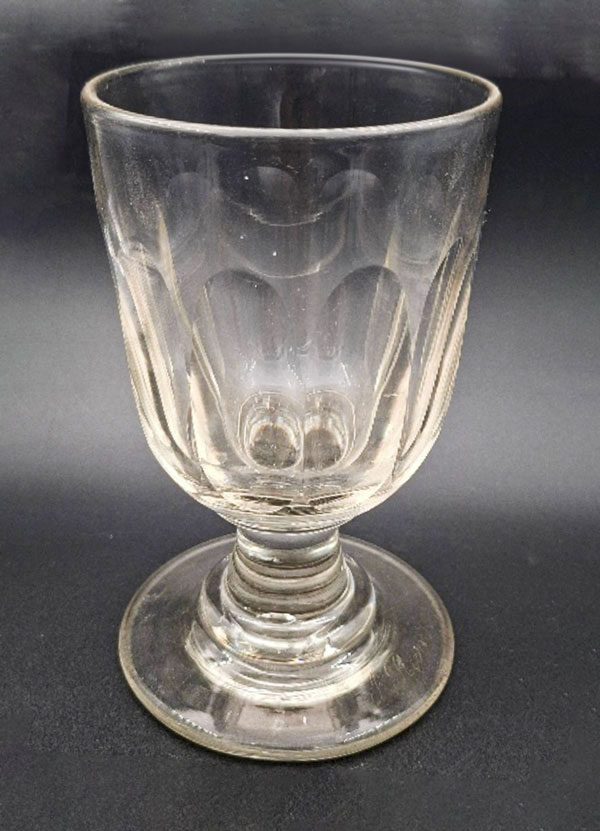
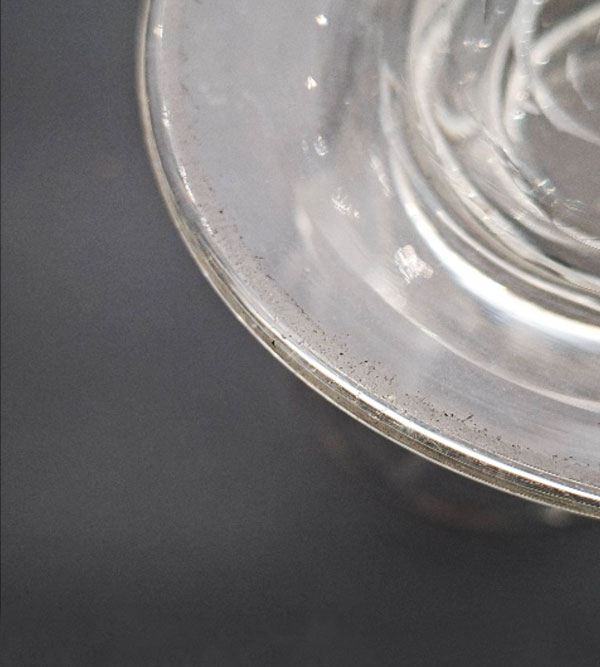
Glass Tiny scratches to the base of a Georgian glass may give clues to its real age. These tiny scratches are hard to replicate and only occur with Centuries of use.
Books: Thumb-worn page edges can reveal which chapters were most loved or referenced.
Why This Matters to Collectors
In a market obsessed with “mint condition,” the subtle art of reading wear patterns is a reminder that perfection isn’t always the goal.
For many collectors, the romance lies in knowing how an object lived before it reached their hands.
It’s the difference between owning a chair and owning the story of a chair.
A New Way to Appreciate Antiques
Next time you handle a piece, slow down.
Run your fingers over the surface.
Ask yourself: What human habit left this mark?
You might find that the most valuable thing about an antique isn’t its rarity or price — it’s the invisible biography etched into its surface.
Don’t get caught out by fakes, or reproductions, look for the all important wear on an antique item.